
Navigating Foreclosure Defense in 2026: Key Strategies to Save Your Home and Equity
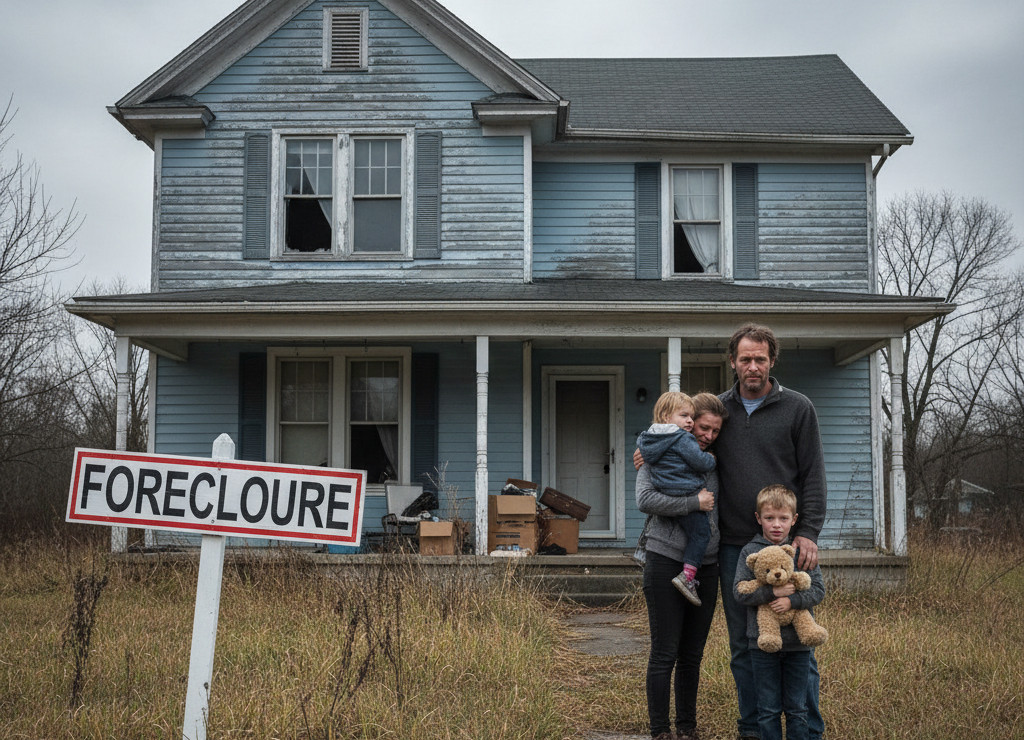
The foreclosure landscape in 2026 presents a complex reality for homeowners. Shifting property values, lingering high-interest debt, and updated mortgage servicing guidelines mean that facing default requires a proactive legal strategy. Modern foreclosure defense is no longer just about delaying a court date—it is about leveraging precise legal mechanisms to achieve a permanent financial resolution.
Whether the objective is to retain the property or protect accrued equity, several key strategies define effective foreclosure defense today.
1. Enforcing Loss Mitigation and Dual-Tracking Protections
Federal and state regulations strictly forbid "dual tracking"—the practice where a loan servicer moves forward with foreclosure proceedings while simultaneously reviewing a homeowner's completed loss mitigation application.
Submitting a complete loss mitigation packet creates legal safeguards and opens doors to several workout options:
Loan Modifications: Adjusting interest rates, extending loan terms, or capitalizing arrears to create a manageable monthly payment.
Forbearance Agreements: Temporarily pausing or reducing payments during short-term financial disruptions.
Repayment Plans: Spreading past-due balances over a structured schedule alongside standard monthly payments.
2. Auditing Servicer Compliance and Chain of Title
Servicers and lenders must meet strict procedural requirements before taking a home. Incomplete record-keeping during debt transfers remains a primary vulnerability for foreclosing entities. Effective procedural defenses include:
Lack of Standing: Proving the foreclosing entity does not hold the original note or valid assignment paperwork.
Accounting Errors: Uncovering misapplied payments, unauthorized fee assessments, or incorrect escrow adjustments.
Statutory Notice Failures: Holding lenders accountable when they fail to issue contractually mandated breach notices prior to loan acceleration.
3. Equity Preservation Through Strategic Acquisitions and Buyouts
When staying in the property long-term is no longer feasible or desired, allowing a foreclosure sale to proceed is rarely the best financial decision. In 2026, more homeowners are turning to structured exit strategies that safeguard credit scores and capture remaining home equity.
Options such as investor acquisitions, direct property buyouts, or negotiated short sales allow homeowners to satisfy the outstanding mortgage debt, clear the title, and walk away with capital to transition smoothly into their next chapter.
Action Beats Delays
Time is the single most valuable asset when facing foreclosure. Waiting until days before a sheriff or trustee sale limits options drastically. Engaging early with structured loss mitigation and legal defense ensures that every tool—from loan restructuring to equity recovery—remains on the table.
Comments